
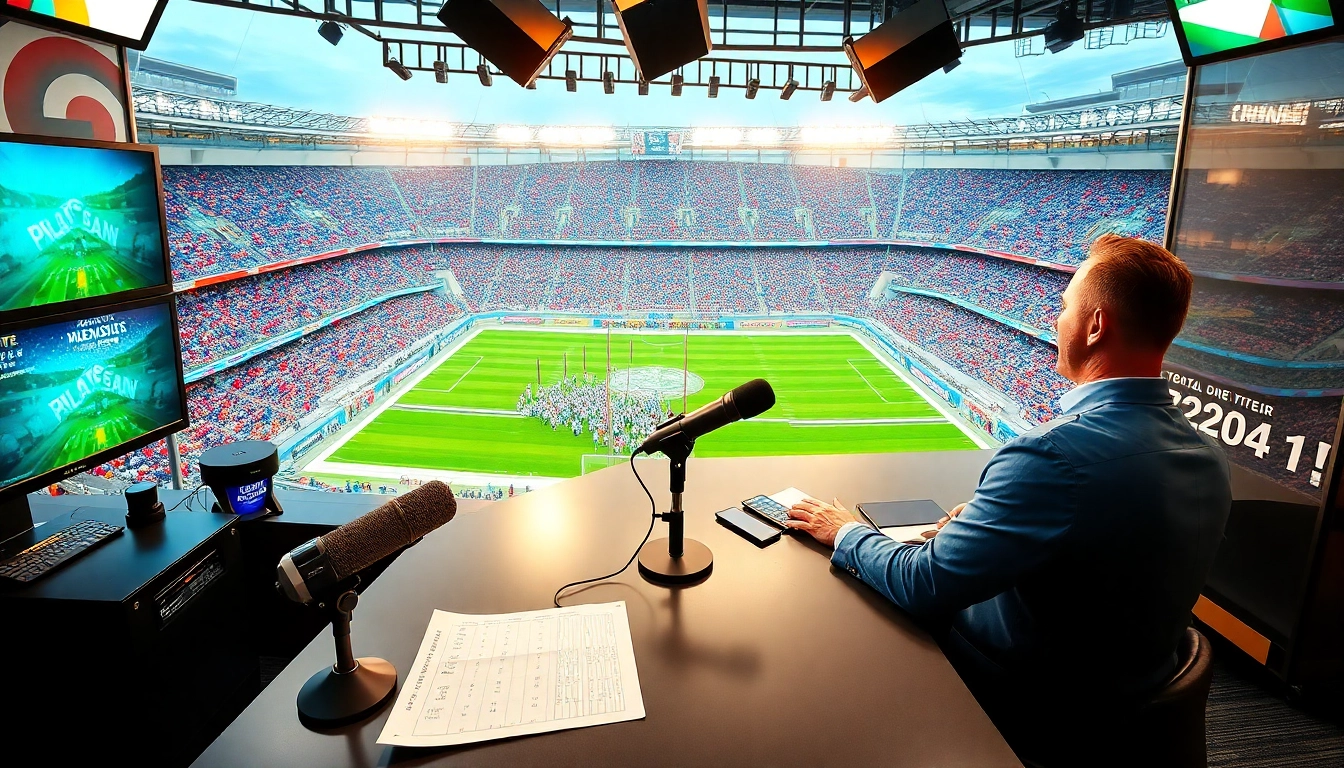
Understanding Sports Broadcasting
History of Sports Broadcasting
Sports broadcasting has evolved significantly since its inception in the early 20th century. Originally, radio broadcasts began sharing live sports commentary, allowing fans to follow games from afar. With the advent of television in the mid-20th century, sports broadcasting took a monumental leap, offering a visual component that brought the excitement of the game directly into living rooms. The first televised sporting event, a college football game, set the stage for a revolution in how sports were consumed. As technology advanced, so did the quality and breadth of broadcasting, leading to the establishment of 24-hour sports networks in the 1980s. Today, Sports Broadcasting encompasses a vast array of platforms, including streaming services, social media, and on-demand viewing options.
Types of Sports Broadcasting Formats
There are several formats of sports broadcasting tailored to different audiences and platforms. Traditional formats include:
- Live Broadcasts: Real-time coverage of events through television and radio, usually featuring play-by-play commentary and expert analysis.
- Highlights Shows: Programs that compile key moments from games, offering brief recaps and statistical analysis.
- Documentary Style: In-depth storytelling about athletes, teams, and events, often including interviews and archival footage.
- Interactive Broadcasting: Engage viewers through second screen options, allowing participation via social media or mobile apps during live events.
Each format serves specific viewer needs, providing various ways to engage with and enjoy the sporting world.
Technology in Sports Broadcasting
The role of technology in sports broadcasting cannot be overstated. Innovations such as high-definition and 4K broadcasts, augmented reality graphics, and instant replay systems enhance the viewing experience. Additionally, mobile technology allows fans to watch games on the go, while advanced analytics provide deeper insights during broadcasts. The emergence of over-the-top (OTT) platforms has transformed how content is distributed, allowing for a more personalized viewing experience. As technology continues to advance, it will play a critical role in shaping the future landscape of sports broadcasting.
Key Roles in Sports Broadcasting
Sports Broadcasters: Skills and Responsibilities
Sports broadcasters are the faces of sporting events, responsible for engaging viewers and providing insightful commentary. Their key skills include:
- Communication: Clear and effective communication is crucial for delivering play-by-play and analysis.
- Knowledge of the Sport: A deep understanding of the game, including rules, strategies, and history, is essential for providing quality commentary.
- Adaptability: The ability to think on their feet and respond to unexpected developments during live broadcasts is vital.
Broadcasters must continuously hone their skills and stay updated on trends in both sports and broadcasting techniques.
Production Crew Importance in Sports Broadcasting
The production crew plays a pivotal role in the success of any sports broadcast. This team includes directors, producers, camera operators, and technical staff, each responsible for different aspects of the broadcast. Their collaboration ensures a seamless viewing experience. Key responsibilities include:
- Planning: Meticulously organizing the broadcast workflow, including camera angles and timing for live events.
- Technical Execution: Maintaining equipment and ensuring high-quality audio and video delivery.
- Post-Production: Editing highlights and creating engaging content for various platforms after the live event concludes.
This teamwork is essential for captivating audiences and ensuring that broadcasts run smoothly.
Engineering and Technology Professionals' Role
Engineering and technology professionals ensure that broadcasts are not only technically sound but also innovative. Their roles encompass:
- Equipment Maintenance: Regular upkeep of cameras, microphones, and broadcasting systems to avoid failures during live events.
- Innovation: Implementing new technologies, such as 5G broadcasting and drone camera technology, to provide unique perspectives and enhance viewer engagement.
- Data Management: Handling real-time data and analytics that inform commentary and enhance understanding of the game.
This behind-the-scenes work is critical to the success of sports broadcasts, highlighting the complexity and effort involved in delivering high-quality content to viewers.
Creating Engaging Content for Sports Broadcasting
Storytelling Techniques in Sports Coverage
Storytelling is an integral part of sports broadcasting that transcends mere play-by-play commentary. Effective storytelling can transform the audience's experience. Techniques include:
- Character Development: Focusing on athletes’ backgrounds, motivations, and personal struggles adds depth to the coverage.
- Narrative Arcs: Structuring coverage around a central theme or storyline throughout the season or event creates anticipation and engagement.
- Emotional Engagement: Highlighting pivotal moments that resonate emotionally with the audience, drawing them deeper into the narrative.
Utilizing these techniques enhances viewers’ connections to the sport and the individuals involved.
Utilizing Social Media for Enhanced Fan Interaction
Social media has revolutionized the way fans engage with sports broadcasting. Platforms like Twitter, Instagram, and TikTok offer avenues for real-time interaction, such as:
- Live Updates: Providing immediate game updates, scores, and analysis during live events.
- Behind the Scenes: Sharing exclusive content and sneak peeks into training, locker rooms, and production setups.
- Fan Polls and Questions: Engaging with fans through polls or Q&A sessions allows broadcasters to gauge viewer interests.
Effectively leveraging social media can significantly enhance the overall viewing experience and build a loyal fan base.
Visuals and Graphics to Boost Viewer Engagement
Visuals and graphics play a crucial role in sports broadcasting, aiding viewer comprehension and engagement. Key elements include:
- Infographics: Utilizing charts and statistics to visually represent players’ performance, team statistics, and game progress.
- On-Screen Graphics: Displaying player stats, scores, and other relevant information in real-time enhances understanding.
- Slow Motion and Replays: Using replays to analyze key moments and slow-motion replays to highlight critical plays or goals.
These visual tools help create a richer and more informative viewing experience.
Challenges in Sports Broadcasting
Adapting to Viewer Preferences and Trends
With the rapid changes in media consumption habits, sports broadcasters must continuously adapt to changing viewer preferences. Trends such as binge-watching and mobile viewing require broadcasters to offer flexible and on-demand content. Understanding analytics derived from viewer habits can inform content creation strategies, ensuring they capture and maintain audience interest.
Handling Technical Difficulties Live
Live broadcasting inherently comes with risks, particularly technical difficulties that can disrupt the viewing experience. Broadcasters must have contingencies in place, such as backup equipment and a dedicated technical team ready to troubleshoot issues as they arise. Communicating effectively with the audience during outages can help maintain viewer loyalty and understanding.
Maintaining Quality Amid Rising Competition
As more entities enter the sports broadcasting space, competition has intensified. Traditional networks, streaming services, and social media platforms all vie for viewer attention. Broadcasters must focus on quality content and unique perspectives to stand out. Investing in skilled personnel, innovative technologies, and viewer customization options can help maintain a competitive edge.
The Future of Sports Broadcasting
Emerging Technologies in Sports Broadcasting
The future of sports broadcasting is being shaped by emerging technologies such as augmented reality (AR), virtual reality (VR), and artificial intelligence (AI). AR can enhance live broadcasts by overlaying graphics and stats directly onto the screen, allowing viewers to gain deeper insights into games. VR offers immersive experiences that allow fans to feel as if they are present at events, dramatically changing how viewers consume sports content. Implementing AI in analytics allows for deeper insights into viewer behaviors and preferences, guiding content creation.
The Influence of Virtual Reality on Sports Experience
Virtual Reality (VR) has the potential to transform sports broadcasting by offering immersive experiences that make viewers feel as though they are part of the action. VR technology could allow fans to explore stadiums, view games from different angles, or even experience player perspectives during gameplay. Such innovations create new possibilities for fan engagement, making sports more accessible and exciting than ever before.
Preparing for Changes in Viewer Behavior
As viewer behavior continues to shift towards personalized and on-demand content, sports broadcasters must prepare by adopting strategies that cater to these needs. Personalization technologies, such as tailored notifications and recommendations based on viewing history, can enhance viewer loyalty. Additionally, creating partnerships with influencers and utilizing data analysis to track viewer engagement will help broadcasters stay relevant in a fast-evolving landscape.
Frequently Asked Questions
What is sports broadcasting?
Sports broadcasting involves live coverage of sporting events via television or radio, providing play-by-play commentary, analysis, and various insights.
What roles are involved in sports broadcasting?
Key roles include sports announcers, producers, directors, technical crew, and engineers, each contributing to creating a coherent broadcast.
How can social media enhance sports broadcasting?
Social media allows broadcasters to engage with fans, share live updates, and provide behind-the-scenes content, enriching the overall viewing experience.
What are common challenges in sports broadcasting?
Challenges include keeping up with viewer preferences, technical issues during live broadcasts, and competition from different media channels.
What does the future hold for sports broadcasting?
The future will see increased use of technology such as AR and VR, and changes in viewer behavior, with more focus on personalized content delivery.